Maybe you grew up around this sumac species, planted for its hardiness and ability to grow where little else could. Maybe you only encountered it once you got to Goucher. It's okay to not want such a tree cut down; In most cases, I would agree. On one hand, the tree-of-heaven is beautiful and resilient, but on the other, it's an invasive species with a penchant for destruction (UMD Extension).
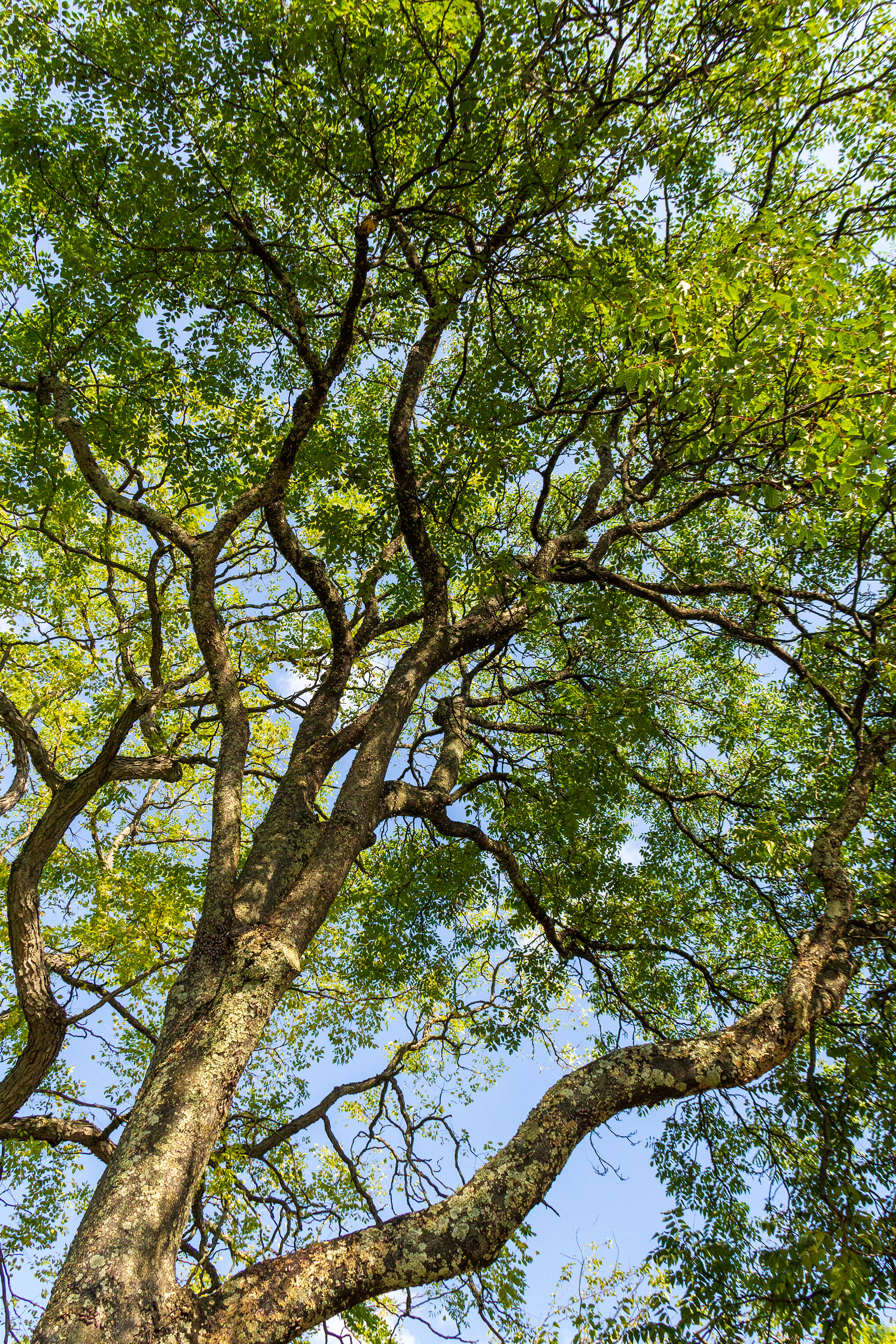
An Ailanthus altissima tree outside of Goucher College's Meyerhoff Arts Center.
© Faye Persephone
The tree-of-heaven, Ailanthus altissima, also known as the stinking sumac, Chinese sumac, varnish tree (The Nature Conservancy), and derisively, the "ghetto palm," "stink tree," and "tree-of-Hell," (LaHoff) has garnered quite a deal of attention in recent years. In order to properly dive into this tree's devilishness, we must look at the facts.
The tree-of-heaven is "a rapidly growing deciduous tree native to China that has become a widespread invasive species across North America" (The Nature Conservancy). It was introduced to the United States in Pennsylvania as an ornamental tree and became a very popular option for urban landscaping for how easy it was to establish, its hardiness, its resistances to American insect or disease problems, and just how quickly it grew (CA Dept. of Fish and Wildlife).
All of these desirable traits turned sour once the tree was identified as invasive. It crowds out native flora and secretes a unique chemical called ailanthone into the soil. Ailanthone is an organic compound which inhibits the seed germination and growth of other plants (Sasnow).
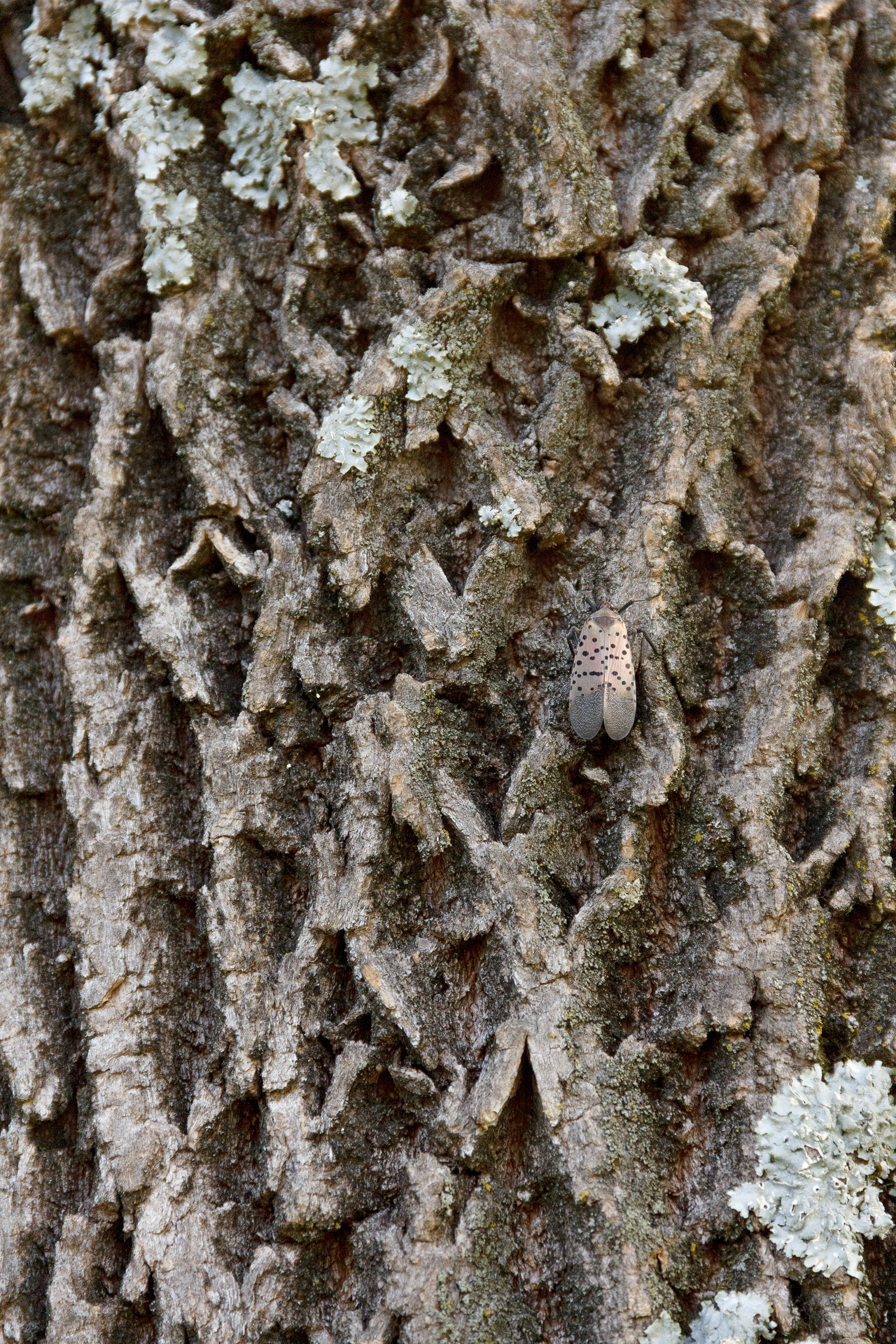
A close-up of the Ailanthus altissima tree nearby Goucher College's Meyerhoff Arts Center.
© Faye Persephone
So not only is the tree-of-heaven an invasive species, but it also damages the plants around it and it's the native vector of the spotted lanternfly, another invasive species. To read more on the spotted lanternfly and why it's a major factor in the removal of invasive trees-of-heaven, click the button below to be taken to the next page.